How to Tell Fake Air Jordan Sneakers: Definitive Authentication Guide
Okay, let’s get straight to it — the fake shoe market is absolutely vast, and Air Jordans are the number one target. Industry data estimate that counterfeit sneakers account for roughly $450 billion in worldwide trade per year, and Jordan Brand shoes represent a disproportionate portion of that number. Whether you’re purchasing from a secondary seller, an online platform, or even a local shop that looks a little too good to be true, understanding how to check your pair is essential — it’s essential. I’ve directly inspected many hundreds of pairs over the years, and the knockoffs have gotten alarmingly accurate, notably since 2024. This guide details every verification step I use when verifying Air Jordans, from the packaging to the outsole and everything in between. Keep this one, because it just might protect you from wasting $250 on a pair of kicks that cost someone $12 to fabricate.
Kick Off With the Box: Your First Line of Verification
Before you even examine the sneakers, the box itself tells a story that counterfeiters frequently get wrong. Real Jordan shoeboxes have a specific density and texture to the packaging material — it’s solid, with a gentle matte coating that feels upscale to the touch. Examine the label on the end of the box for the accurate style code, size, and colorway name, then cross-reference this information against Nike’s official catalog or reputable sources like Nike.com. The font on authentic labels is crisp and evenly spaced, while counterfeits frequently https://air-jordan.org feature inconsistent letter spacing, somewhat thicker text, or mismatched font thickness. Pay close attention to the barcode — verify it with any scanning app and confirm it pulls up the correct product data. The packing paper inside real boxes also has a distinct crinkle and thickness; fake wrapping regularly uses flimsier, cheaper paper that falls apart more readily. Many skilled experts can detect a counterfeit within 30 seconds just by checking the box, so never ignore this critical initial checkpoint.
Checking the Sneaker Craftsmanship and Materials
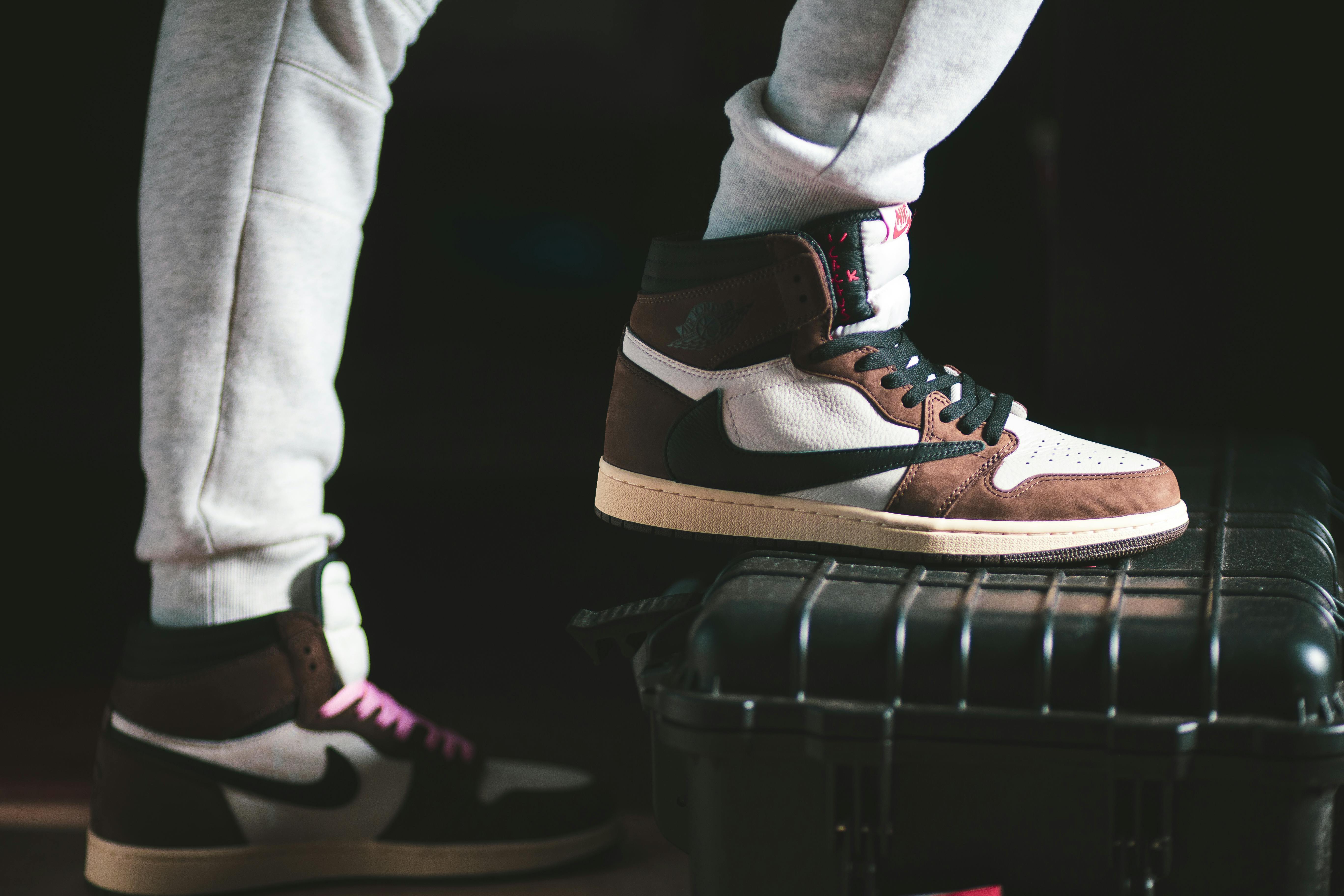
Authentic Air Jordans use high-quality leather with a soft, uniform grain across the complete upper — pick up the shoe and assess the leather firsthand. On the Air Jordan 1, authentic leather panels should feel pliable but structured, not plastic-like or excessively hard, and the tumbled leather on specific releases should have a authentic, non-uniform texture rather than a stamped, cookie-cutter pattern. The stitching is one of the most reliable tells: authentic pairs display close, consistent stitches with no hanging threads, unraveling, or inconsistent spacing. Check the stitches on important sections like the swoosh and the wing flap — Nike maintains precise stitch counts that vary by silhouette and size, and replica makers hardly ever replicate these exactly. The general shape of the pair counts too; legitimate Air Jordan 1s have a recognizable hourglass profile when looked at from the rear, while many replicas seem overly straight or boxy. Move your finger along the sole edge where it joins the upper — legitimate shoes have clean, even joining with no visible adhesive marks or gaps.
The Outsole and Air Unit: Details That Fakes Fail On
Examine the tread pattern closely against verified images from genuine releases by flipping the pair over. Legitimate Air Jordan outsoles have precise tread patterns with clean lines and uniform groove depth across the entire surface. The rubber material on genuine pairs has a specific firmness and slight see-through quality on select models (like the Air Jordan XI’s icy sole) that bootleg factories fail to reproduce correctly. Press hard on the heel zone to check the Air unit — real Nike Air cushioning has a specific bounce that inferior foam pads simply cannot reproduce. On models with see-through Air chambers, like the Air Jordan 3, 4, or 5, examine the Air unit for clarity, correct sizing, and correct alignment within the midsole cavity. The Jumpman logo on the outsole should be crisply defined with no bleeding or defects in the lines, and on the Air Jordan 3, the proportions of the figure should align with verified reference images spot-on. Hue uniformity between the outsole and midsole is another tell — replicas often have minor hue variations that are instantly visible when set next to with retail pairs.
Tags, Labels, and the Nike Size Tag Examination
The interior sizing label is arguably the most frequently examined detail in fake checking, and for good reason — it includes levels of traceable information. Genuine Nike product tags display exact typefaces, kerning, and formatting that shift at intervals, so you must check against tags from the matching production run. The tag should show the right product code matching the box, a manufacturing date that fits within the documented drop schedule, and manufacturer codes that correspond to legitimate Nike factories. In 2026, Nike sizing labels usually include a scannable QR code alongside the traditional UPC — check both and ensure they link to authentic product data. The printing quality should be clean with no smudging, and the tag fabric itself should feel smooth and slightly waxy, not grainy or cheap-feeling. I always recommend photographing the tag under zoom and checking it against known legitimate pairs from archives run by legit-check services like CheckCheck or Legit Check. If any particular feature on the size tag appears suspicious — mismatched typeface, incorrect spacing, unusual texture — consider it as a serious concern serious enough to walk away from the transaction.
The Odor Test and Other Non-Visual Tests
Veteran authenticators know that authentic Air Jordans have a specific smell that’s virtually impossible to copy, even though this might seem weird if you’re unfamiliar with shoe verification. Official Nike sneakers have a fresh, faint leather and rubber scent that is produced by the specific components and glues used in authorized production facilities. Counterfeit shoes commonly reek of pungent industrial chemicals, heavy industrial glue, or have an synthetic “fresh shoe” smell that’s been sprayed on to hide production odors. Beyond smell, put on a scale the shoes — real pairs within the same model and size should be within a handful of grams of each other, and many legit-check guides provide verified weight specs for popular models. Knock on the foam gently and listen; authentic Air cushioning creates a slightly hollow, resonant tone, while dense foam counterfeits tend to create a deader sound. Feel the interior lining for consistent finish — legitimate pairs have expertly installed inner linings without bunching, creases, or exposed adhesive. These sensory assessments support the eye-based inspection and provide additional clues that strengthen your comprehensive assessment.
| Authentication Checkpoint | What to Look For | Common Fake Giveaways |
|---|---|---|
| Packaging and labels | Right SKU, sharp text, scannable barcode | Sloppy text, mismatched font weights, barcodes that don’t scan |
| Leather and Materials | Soft grain pattern, uniform texture on all panels | Plastic-like touch, machine-stamped repeating textures |
| Stitch quality | Even spacing, correct stitch count, no loose threads | Sloppy spacing, fraying edges, wrong thread hues |
| Outsole | Sharp tread design, proper rubber density | Weak tread depth, bad rubber mix, color discrepancy |
| Size Tag | Accurate fonts, scannable codes, real factory identifiers | Fuzzy printing, bad spacing, QR codes that don’t scan |
| Air Unit | Bouncy cushioning feel, transparent Air bubbles | Flat foam feel, cloudy or off-center Air bubbles |
| Smell | Natural leather-rubber aroma | Pungent chemical or heavy adhesive smell |
Using Tech and Paid Verification Services
Tech tools and paid verification services deliver an invaluable backup when your own review isn’t conclusive. Apps like CheckCheck and Legit Check by Ch let you to send close-up photos and get professional evaluations, generally within hours, for a price between $5 and $15. Blacklight inspection shows hidden details — official Nike shoes regularly have unique UV-visible patterns and adhesive traces added during inspection in authorized facilities. Some authenticators pick up USB microscopes (sold for under $50) to analyze thread quality and printing quality at magnifications that expose even the most realistic knockoffs. In 2026, Nike’s own SNKRS app features advanced legit-check tools for direct buys, including blockchain-based certificates of authenticity for specific limited-edition drops. Never hesitate to use several checking techniques together — expert authenticators use a floor of five checkpoints before delivering a call, and you should follow the same strategy for any purchase above $150.
Where to Purchase and Red Flags to Look Out For
The most effective way to dodge fakes is shopping from official retailers, Nike official channels, or reputable resale marketplaces with built-in authentication. StockX, GOAT, and eBay’s Authenticity Guarantee all have certified authenticators who inspect every pair before delivering. Be extremely careful of social media sellers listing “deals” on sought-after editions — if a $400 shoe is listed for $150, there’s a catch. Be aware of sellers who are unwilling to give extra photos, urge fast transactions, or push for risky payment types like Bitcoin or prepaid cards. Brand-new profiles, stock photos instead of real product images, and vague details are serious red flags. Always demand recently taken photos with the seller’s handle showing before agreeing to private sales. The cardinal rule hasn’t changed: if the price feels too good to be true, saying no is always less expensive than getting stuck with fakes.